إجابة مختصرة
السبريد هو الفرق بين سعري العرض (Bid) والطلب (Ask). وهو يمثل تكلفة الدخول في الصفقة ويؤثر بشكل مباشر على وقت فتح الصفقات وإغلاقها وتحقيقها للربح.
يشرح هذا الفيديو ما هو السبريد في التداول، وكيف يتشكل من سعري العرض والطلب، ولماذا يؤثر بشكل مباشر على تنفيذ الصفقات والنتائج النهائية.
ما هو السبريد ببساطة
في التداول، يوجد دائمًا سعران:
- سعر العرض (Bid) — سعر البيع،
- سعر الطلب (Ask) — سعر الشراء.
السبريد هو الفرق بين هذين السعرين.
على سبيل المثال:
- سعر العرض: 1.1000
- سعر الطلب: 1.1002
- السبريد: نقطتان (أو 0.0002)
يُطبَّق هذا الفرق تلقائيًا عند فتح الصفقة.
لماذا يوجد السبريد
يوجد السبريد للأسباب التالية:
- مزودو السيولة يعرضون أسعار شراء وبيع منفصلة،
- إنه يعوّض مخاطر السوق وتكاليف التنفيذ،
- الأسعار تتغير باستمرار بناءً على العرض والطلب.
لا يوجد سعر سوق واحد — السبريد جزء طبيعي من طريقة عمل الأسواق.
كيف يؤثر السبريد على فتح الصفقة
عند فتح صفقة:
- تُفتح صفقة الشراء بسعر الطلب (Ask)،
- تُفتح صفقة البيع بسعر العرض (Bid).
هذا يعني:
- تبدأ الصفقة بخسارة عائمة صغيرة تعادل السبريد،
- يجب أن يتحرك السعر لصالحك بمقدار السبريد على الأقل للوصول إلى نقطة التعادل.
هذا أمر طبيعي وليس خطأ في التداول.
كيف يؤثر السبريد على إغلاق الصفقة
عند إغلاق صفقة:
- تُغلق صفقات الشراء بسعر العرض (Bid)،
- تُغلق صفقات البيع بسعر الطلب (Ask).
لهذا السبب:
- يتم تفعيل أمري وقف الخسارة وجني الأرباح بأسعار مختلفة،
- قد تُغلق الصفقات في وقت أبكر أو أتأخر من المتوقع إذا تغيّر السبريد.
لماذا يمكن أن يزداد السبريد
لا يكون السبريد ثابتًا دائمًا. يمكن أن يتسع خلال:
- فترات انخفاض السيولة،
- افتتاح السوق أو التبييت (rollover)،
- صدور الأخبار الهامة،
- العطلات أو ظروف السوق غير الطبيعية.
عندما يزداد السبريد، قد يتغير تنفيذ الصفقات وسلوك وقف الخسارة.
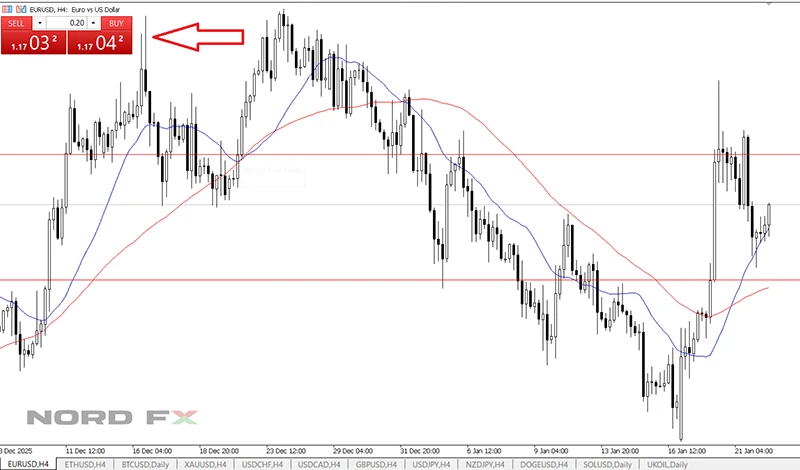
يوضح الرسم التوضيحي أن الرسوم البيانية تعرض عادةً سعر العرض (Bid) فقط، بينما يوجد السبريد بين سعري العرض والطلب.
لماذا يهم هذا الأمر المتداولين
يساعد فهم السبريد المتداولين على:
- تجنب الالتباس عند بدء الصفقات بخسارة،
- وضع أوامر وقف الخسارة وجني الأرباح بشكل صحيح،
- فهم سبب اختلاف النتائج عن التوقعات،
- التداول بواقعية أكبر خلال فترات التقلب.
يمكن تفسير العديد من نتائج التداول "غير المتوقعة" من خلال سلوك السبريد.
ما التالي
الآن بعد أن أصبح مفهوم السبريد واضحًا، الموضوع المهم التالي هو:
يشرح هذا الانزلاق السعري (Slippage) والفروق في التنفيذ.
العودة العودة