সংক্ষিপ্ত উত্তর
প্রাইস চার্টে সাধারণত শুধুমাত্র Bid প্রাইস দেখানো হয়, কিন্তু বিক্রয় ট্রেডের জন্য stop loss অর্ডার ট্রিগার হয় Ask প্রাইস দ্বারা। যেহেতু Ask-এ স্প্রেড অন্তর্ভুক্ত থাকে, তাই আপনার stop loss হিট হতে পারে এমনকি যদি চার্ট সেই স্তরে না পৌঁছায়।
এই ভিডিওটি ব্যাখ্যা করে কেন একটি ট্রেড বন্ধ হতে পারে যদিও দৃশ্যমান চার্টের দাম কখনো আপনার stop loss স্পর্শ করেনি, দেখিয়ে Bid ও Ask প্রাইস এবং স্প্রেড কীভাবে stop loss কার্যকরীতায় প্রভাব ফেলে।
প্রতিটি বাজারে দুটি দাম: Bid ও Ask
প্রতিটি ইন্সট্রুমেন্টে রয়েছে:
- Bid প্রাইস — যে দামে আপনি বিক্রি করেন
- Ask প্রাইস — যে দামে আপনি কিনেন
এদের মধ্যে পার্থক্যকে বলা হয় স্প্রেড।
বেশিরভাগ ট্রেডিং প্ল্যাটফর্মের চার্টে ডিফল্টভাবে শুধুমাত্র Bid প্রাইস দেখানো হয়।
এটিই বিভ্রান্তির মূল কারণ।
Buy ও Sell ট্রেডে Stop Loss কীভাবে কাজ করে
Buy ট্রেডের ক্ষেত্রে:
- Stop loss ট্রিগার হয় Bid প্রাইস দ্বারা
Sell ট্রেডের ক্ষেত্রে:
- Stop loss ট্রিগার হয় Ask প্রাইস দ্বারা
এর মানে হলো:
আপনি যদি একটি sell ট্রেডে থাকেন, তাহলে আপনার stop loss এমন একটি দামে সাড়া দেয় যা আপনি সাধারণত চার্টে দেখতে পান না।
কেন মনে হয় দাম আপনার Stop Loss স্পর্শ করেনি
উদাহরণ পরিস্থিতি:
- চার্ট দেখায় Bid প্রাইস stop loss-এর কাছাকাছি পড়ছে
- স্প্রেড সামান্য বাড়ে
- Ask প্রাইস stop loss স্তরে পৌঁছায়
- ট্রেড বন্ধ হয়ে যায় — যদিও Bid সেখানে পৌঁছায়নি
দৃশ্যত এটি ভুল মনে হয়।
প্রযুক্তিগতভাবে এটি সঠিক এক্সিকিউশন।
Stop Loss আগে সক্রিয় হওয়ায় স্প্রেডের ভূমিকা
স্প্রেড বাড়লে:
- Ask প্রাইস উপরে উঠে
- Bid প্রাইস যেখানে ছিল সেখানেই থাকে
- sell ট্রেডের stop loss আগে হিট হয়
স্প্রেড সাধারণত বাড়ে:
- কম লিকুইডিটির সময়
- মার্কেট খোলার সময়
- নিউজ রিলিজের সময়
- রোলওভারের সময়
এতে stop loss গুলো "অনেক আগে" ট্রিগার হয়েছে বলে মনে হয়।
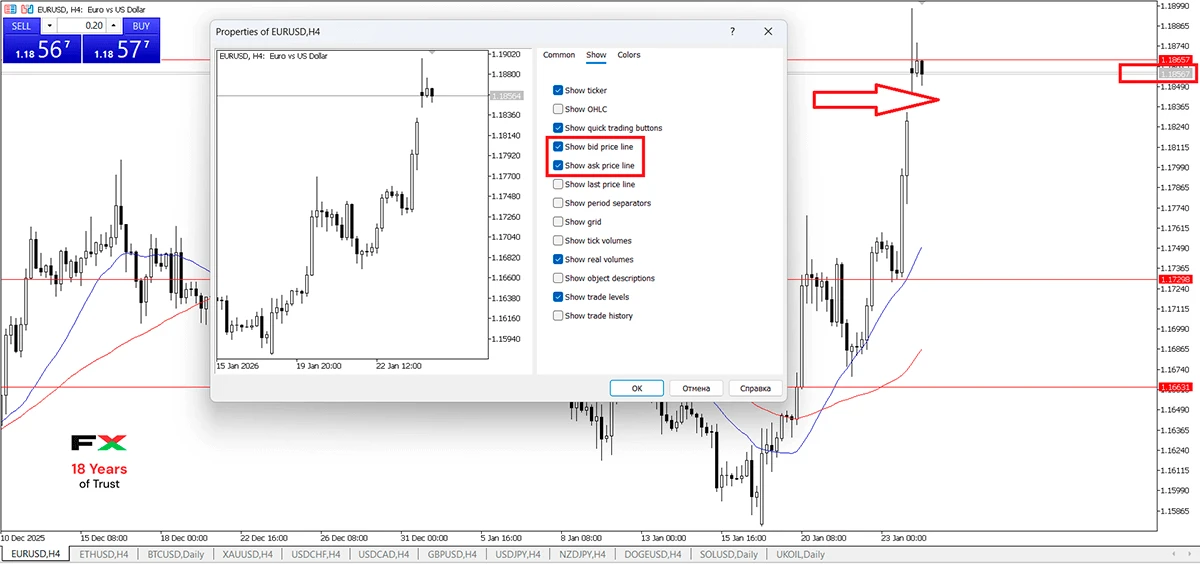
এই চিত্রটি দেখায় কীভাবে MetaTrader-এর চার্টে Ask প্রাইস চালু করতে হয় যদি আপনি সেটিও দেখতে চান।
কেন এটি স্বাভাবিক বাজার আচরণ
এটি নয়:
❌ ব্রোকারের কারসাজি
❌ ভুল এক্সিকিউশন
❌ প্ল্যাটফর্মের ত্রুটি
এটি কেবলমাত্র:
✅ বাস্তব বাজারে মূল্য নির্ধারণের পদ্ধতি
✅ স্প্রেড প্রয়োগের পদ্ধতি
✅ stop loss লজিক কীভাবে কাজ করে
সমস্ত পেশাদার বাজার এইভাবে পরিচালিত হয়।
ট্রেডারদের জন্য এটি কেন গুরুত্বপূর্ণ
Bid ও Ask বোঝা আপনাকে সাহায্য করে:
- আরও নির্ভুলভাবে stop loss স্থাপন করতে
- অপ্রত্যাশিত ট্রেড বন্ধ এড়াতে
- রিস্ক ম্যানেজমেন্টে স্প্রেড বিবেচনা করতে
- ভোলাটিলিটির সময় আত্মবিশ্বাসের সাথে ট্রেড করতে
বেশিরভাগ stop loss "রহস্য" স্প্রেড মেকানিক্স দ্বারা ব্যাখ্যা করা হয়।
পরবর্তী বিষয়
এখন যখন Bid, Ask এবং স্প্রেডের আচরণ স্পষ্ট, পরবর্তী বিষয়টি হলো:
কম লিকুইডিটি বা মার্কেট খোলার সময় কেন আমার stop loss ট্রিগার হয়?
এটি গ্যাপ, স্প্রেড স্পাইক এবং রোলওভার প্রভাব ব্যাখ্যা করে।
ফিরে যান ফিরে যান