সংক্ষিপ্ত উত্তর
স্প্রেড হল বিড এবং আস্ক মূল্যের মধ্যে পার্থক্য। এটি একটি ট্রেডে প্রবেশের খরচ নির্দেশ করে এবং সরাসরি প্রভাবিত করে কখন ট্রেড খোলে, বন্ধ হয় এবং লাভজনক হয়ে ওঠে।
এই ভিডিওটি ব্যাখ্যা করে ট্রেডিং-এ স্প্রেড কী, বিড এবং আস্ক মূল্য থেকে এটি কীভাবে গঠিত হয়, এবং কেন এটি সরাসরি ট্রেড এক্সিকিউশন ও চূড়ান্ত ফলাফলকে প্রভাবিত করে।
সহজ ভাষায় স্প্রেড কী
ট্রেডিং-এ সবসময় দুটি মূল্য থাকে:
- বিড মূল্য — বিক্রির মূল্য,
- আস্ক মূল্য — কেনার মূল্য।
স্প্রেড হল এই দুটি মূল্যের মধ্যে পার্থক্য।
উদাহরণস্বরূপ:
- বিড: 1.1000
- আস্ক: 1.1002
- স্প্রেড: 2 পয়েন্ট (বা 0.0002)
একটি ট্রেড খোলার সময় এই পার্থক্যটি স্বয়ংক্রিয়ভাবে প্রয়োগ করা হয়।
স্প্রেড কেন থাকে
স্প্রেড থাকার কারণ:
- লিকুইডিটি প্রোভাইডাররা আলাদা ক্রয় ও বিক্রয় মূল্য উদ্ধৃত করে,
- এটি বাজার ঝুঁকি এবং এক্সিকিউশন খরচের ক্ষতিপূরণ দেয়,
- চাহিদা ও সরবরাহের ভিত্তিতে মূল্য ক্রমাগত পরিবর্তিত হয়।
কোনো একক বাজার মূল্য নেই — স্প্রেড বাজার কীভাবে কাজ করে তার একটি স্বাভাবিক অংশ।
স্প্রেড কীভাবে ট্রেড খোলাকে প্রভাবিত করে
আপনি যখন একটি ট্রেড খোলেন:
- একটি বাই ট্রেড আস্ক মূল্যে খোলে,
- একটি সেল ট্রেড বিড মূল্যে খোলে।
এর অর্থ হল:
- ট্রেডটি স্প্রেডের সমান একটি ছোট ফ্লোটিং লোকসান নিয়ে শুরু হয়,
- ব্রেকইভেনে পৌঁছাতে মূল্যকে অন্তত স্প্রেডের সমান পরিমাণে আপনার পক্ষে সরে যেতে হবে।
এটি স্বাভাবিক এবং কোনো ট্রেডিং ত্রুটি নয়।
স্প্রেড কীভাবে ট্রেড বন্ধ হওয়াকে প্রভাবিত করে
একটি ট্রেড বন্ধ করার সময়:
- বাই ট্রেড বিড মূল্যে বন্ধ হয়,
- সেল ট্রেড আস্ক মূল্যে বন্ধ হয়।
এর কারণে:
- স্টপ লস এবং টেক প্রফিট বিভিন্ন মূল্য দ্বারা ট্রিগার হয়,
- স্প্রেড পরিবর্তিত হলে ট্রেড প্রত্যাশার চেয়ে আগে বা পরে বন্ধ হতে পারে।
কেন স্প্রেড বাড়তে পারে
স্প্রেড সবসময় নির্দিষ্ট থাকে না। এটি নিম্নলিখিত সময়ে বাড়তে পারে:
- কম লিকুইডিটির সময়কাল,
- বাজার খোলা বা রোলওভারের সময়,
- গুরুত্বপূর্ণ সংবাদ প্রকাশের সময়,
- ছুটির দিন বা অস্বাভাবিক বাজার পরিস্থিতিতে।
স্প্রেড বাড়লে, ট্রেড এক্সিকিউশন এবং স্টপ লসের আচরণ পরিবর্তিত হতে পারে।
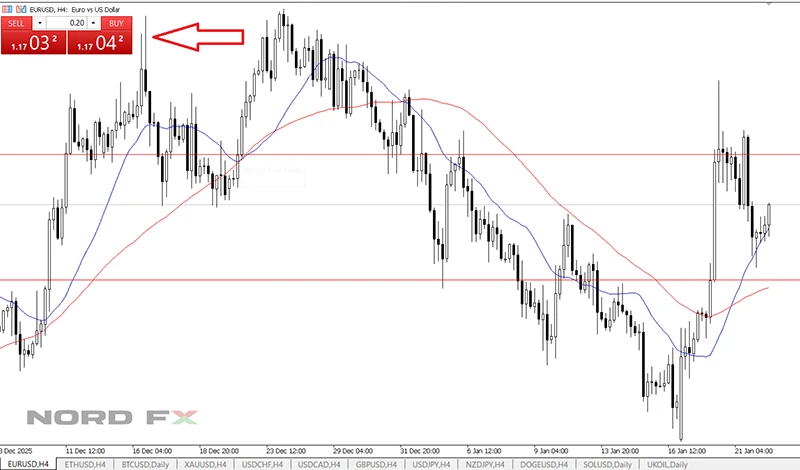
চিত্রটি দেখায় যে চার্টগুলি সাধারণত শুধুমাত্র বিড মূল্য প্রদর্শন করে, যদিও স্প্রেড বিড এবং আস্কের মধ্যে বিদ্যমান থাকে।
এটি ট্রেডারদের জন্য কেন গুরুত্বপূর্ণ
স্প্রেড বোঝা ট্রেডারদের সাহায্য করে:
- ট্রেড লোকসানে শুরু হলে বিভ্রান্তি এড়াতে,
- সঠিকভাবে স্টপ লস এবং টেক প্রফিট স্থাপন করতে,
- কেন ফলাফল প্রত্যাশার থেকে ভিন্ন হয় তা বুঝতে,
- অস্থির সময়কালে আরও বাস্তবসম্মতভাবে ট্রেড করতে।
অনেক “অপ্রত্যাশিত” ট্রেড ফলাফল স্প্রেডের আচরণ দ্বারা ব্যাখ্যা করা যায়।
এরপর কী
স্প্রেড এখন স্পষ্ট হওয়ায়, পরবর্তী গুরুত্বপূর্ণ বিষয় হল:
এটি স্লিপেজ এবং এক্সিকিউশনের পার্থক্য ব্যাখ্যা করে।
ফিরে যান ফিরে যান