ब्रोकर खाता सत्यापन की आवश्यकता क्यों रखते हैं?
संक्षिप्त उत्तर: ब्रोकर अपने ग्राहकों की पहचान की पुष्टि करने और नो योर कस्टमर (KYC), कस्टमर ड्यू डिलिजेंस (CDD), एंटी-मनी लॉन्ड्रिंग (AML), और अन्य लागू अनुपालन आवश्यकताओं को पूरा करने के लिए खाता सत्यापन की आवश्यकता रखते हैं। सत्यापन पहचान के दुरुपयोग और वित्तीय अपराध का पता लगाने में भी मदद कर सकता है। आवश्यक सटीक जानकारी और दस्तावेज़ ब्रोकर, क्षेत्राधिकार, ग्राहक और आंकलित जोखिम के अनुसार भिन्न होते हैं।
ब्रोकर खाता सत्यापन क्या है?
ब्रोकर खाता सत्यापन यह जांचने की प्रक्रिया है कि ग्राहक द्वारा दी गई जानकारी सटीक है या नहीं और ग्राहक वही है जो वह दावा करता है।
यह नो योर कस्टमर (KYC) और कस्टमर ड्यू डिलिजेंस (CDD) से निकटता से जुड़ा है।
KYC ग्राहक को जानने और पहचानने की व्यापक अवधारणा है। कस्टमर ड्यू डिलिजेंस पहचान स्थापित और सत्यापित करके, और जहां संबंधित हो, ग्राहक तथा व्यावसायिक संबंध की प्रकृति और जोखिम को समझने के लिए आवश्यक जानकारी प्राप्त करके इससे आगे जाता है।
FATF के अंतरराष्ट्रीय मानकों में कहा गया है कि कस्टमर ड्यू डिलिजेंस में ग्राहक की पहचान करना, विश्वसनीय और स्वतंत्र जानकारी का उपयोग करके ग्राहक की पहचान सत्यापित करना, जहां लागू हो वहां लाभकारी स्वामियों की पहचान करना, संबंध के उद्देश्य और इच्छित प्रकृति को समझना, और निरंतर ड्यू डिलिजेंस करना शामिल है।
खाता सत्यापन को इसलिए केवल एक पहचान दस्तावेज़ अपलोड करने के रूप में नहीं देखा जाना चाहिए। यह एक व्यापक अनुपालन प्रक्रिया का एक हिस्सा है।
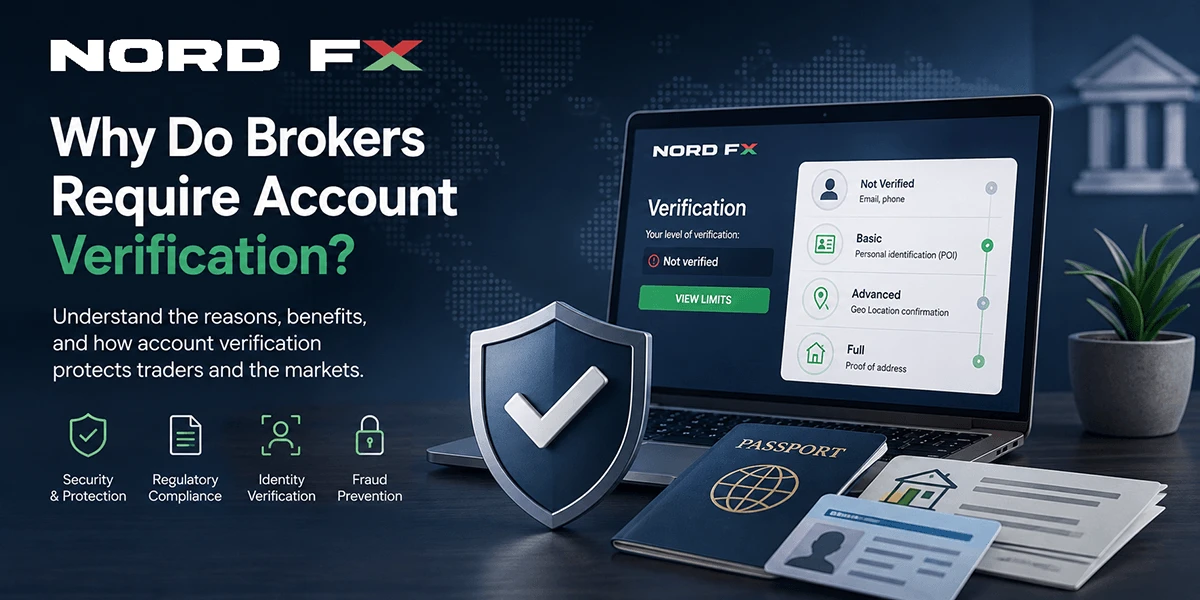
ब्रोकर आपकी पहचान सत्यापित करना क्यों आवश्यक मानते हैं?
मूल कारण सरल है: एक ब्रोकर को यह स्थापित करने की आवश्यकता होती है कि खाते के पीछे कौन है।
हालांकि, इस आवश्यकता के पीछे कई संबंधित उद्देश्य होते हैं।
नो योर कस्टमर और कस्टमर ड्यू डिलिजेंस
KYC/CDD आवश्यकताओं के अधीन वित्तीय फर्मों को अपने ग्राहकों की पहचान करनी चाहिए और उनकी पहचान सत्यापित करनी चाहिए।
उदाहरण के लिए, FCA मार्गदर्शन में कहा गया है कि फर्मों को ग्राहकों की पहचान करनी चाहिए और, जहां लागू हो, लाभकारी स्वामियों की पहचान करनी चाहिए और उनकी पहचान सत्यापित करनी चाहिए। उन्हें संबंध के उद्देश्य और इच्छित प्रकृति को समझने और आगे की निगरानी के लिए आधार स्थापित करने हेतु पर्याप्त जानकारी भी प्राप्त करनी चाहिए।
सटीक कानूनी आवश्यकताएं क्षेत्राधिकारों के बीच भिन्न होती हैं, इसलिए कोई एक सार्वभौमिक सत्यापन प्रक्रिया नहीं है जिसका हर ब्रोकर पालन करता हो।
मनी लॉन्ड्रिंग विरोधी नियंत्रण
पहचान सत्यापन एंटी-मनी लॉन्ड्रिंग नियंत्रणों का भी एक महत्वपूर्ण हिस्सा है।
यदि वित्तीय खातों को नियमित रूप से गुमनाम रूप से या झूठी पहचान का उपयोग करके खोला और संचालित किया जा सकता, तो यह पता लगाना कि खाते को कौन नियंत्रित करता है, काफी कठिन हो जाता।
इसलिए FATF ग्राहक पहचान और सत्यापन को अपने कस्टमर ड्यू डिलिजेंस फ्रेमवर्क के भीतर, व्यावसायिक संबंध और लेनदेन की निरंतर जांच के साथ रखता है।
प्रतिबंध और ग्राहक-जोखिम स्क्रीनिंग
ग्राहक की पहचान जानने से एक वित्तीय फर्म लागू स्क्रीनिंग कर सकती है और व्यावसायिक संबंध से जुड़े जोखिमों का आकलन कर सकती है।
कुछ ग्राहकों या परिस्थितियों में अतिरिक्त जांच की आवश्यकता हो सकती है। उदाहरण के लिए, FCA मार्गदर्शन सामान्य कस्टमर ड्यू डिलिजेंस को उच्च-जोखिम परिस्थितियों के लिए एन्हांस्ड ड्यू डिलिजेंस से अलग करता है, जिसमें राजनीतिक रूप से उजागर व्यक्तियों (PEPs) से जुड़े संबंधित मामले शामिल हैं।
यह एक कारण है कि सत्यापन आवश्यकताएं हर ग्राहक के लिए अनिवार्य रूप से समान नहीं होती हैं।
धोखाधड़ी और पहचान का दुरुपयोग
सत्यापन किसी अन्य व्यक्ति की पहचान का उपयोग करके खाता खोलना किसी के लिए और अधिक कठिन बना सकता है।
एक ब्रोकर यह निर्धारित करने के लिए दस्तावेज़ों, इलेक्ट्रॉनिक जानकारी या अन्य सत्यापन विधियों का उपयोग कर सकता है कि दी गई जानकारी खाता खोलने वाले व्यक्ति की है या नहीं।
सत्यापन धोखाधड़ी को समाप्त नहीं कर सकता, लेकिन पहचान की पुष्टि करना प्रतिरूपण और झूठी या चोरी हुई व्यक्तिगत जानकारी के दुरुपयोग के विरुद्ध एक महत्वपूर्ण नियंत्रण जोड़ता है।
ब्रोकर सामान्यतः किस जानकारी को सत्यापित करते हैं?
आवश्यकताएं क्षेत्राधिकार और ब्रोकर की प्रक्रियाओं पर निर्भर करती हैं, लेकिन मूल पहचान में सामान्यतः जानकारी की कई श्रेणियां शामिल होती हैं।
मॉरीशस AML/CFT आवश्यकताओं के अनुसार, वित्तीय संस्थानों को अपने ग्राहकों की पहचान करनी चाहिए और विश्वसनीय, स्वतंत्र स्रोतों का उपयोग करके उनकी पहचान सत्यापित करनी चाहिए। कस्टमर ड्यू डिलिजेंस में पहचान की जानकारी की पुष्टि करना, ग्राहक संबंध को समझना और जोखिम-आधारित दृष्टिकोण के अंतर्गत आवश्यकतानुसार अतिरिक्त जांच लागू करना शामिल हो सकता है।
सत्यापन तत्व | यह क्या स्थापित करने में मदद करता है | इसकी जांच क्यों की जा सकती है |
पूरा नाम | ग्राहक की पहचान | पहचान और KYC/CDD |
जन्म तिथि | पहचान और आयु की जानकारी | पहचान और पात्रता जांच |
आवासीय पता | घोषित निवास स्थान | पहचान और क्षेत्राधिकार से संबंधित जांच |
पहचान प्रमाण | दावा की गई पहचान का समर्थन करने वाला प्रमाण | स्वतंत्र पहचान सत्यापन |
पता प्रमाण | घोषित पते का समर्थन करने वाला प्रमाण | जहां आवश्यक हो वहां निवास का सत्यापन |
अतिरिक्त जानकारी | ग्राहक या खाते की परिस्थितियां | जहां लागू हो वहां जोखिम-आधारित या एन्हांस्ड ड्यू डिलिजेंस |
हर ब्रोकर हर ग्राहक से बिल्कुल एक ही जानकारी या दस्तावेज़ नहीं मांगेगा।
ट्रेडिंग खाता सत्यापन के लिए किन दस्तावेज़ों का उपयोग किया जा सकता है?
ब्रोकरों को सामान्यतः विश्वसनीय प्रमाण की आवश्यकता होती है जो पंजीकरण के दौरान दी गई जानकारी का समर्थन करता हो।
ब्रोकर और क्षेत्राधिकार के आधार पर, पहचान प्रमाण में निम्नलिखित जैसे दस्तावेज़ शामिल हो सकते हैं:
- एक पासपोर्ट;
- एक राष्ट्रीय पहचान पत्र;
- एक ड्राइविंग लाइसेंस या अन्य योग्य सरकार द्वारा जारी पहचान पत्र।
पता प्रमाण, जहां आवश्यक हो, में ब्रोकर की दस्तावेज़ आवश्यकताओं के अधीन, ग्राहक का नाम और आवासीय पता दर्शाने वाला एक हाल का दस्तावेज़ शामिल हो सकता है।
दस्तावेज़-आधारित सत्यापन ही एकमात्र संभावित तरीका नहीं है। आधुनिक सत्यापन विश्वसनीय डिजिटल पहचान डेटा और अन्य गैर-दस्तावेज़ी तरीकों का भी उपयोग कर सकता है। FATF का मार्गदर्शन प्रौद्योगिकी-निरपेक्ष है और पहचान सत्यापन के लिए विश्वसनीय स्वतंत्र दस्तावेज़ों, डेटा या जानकारी के उपयोग की अनुमति देता है।
इसलिए व्यापारियों को यह मानने के बजाय कि कोई विशेष दस्तावेज़ हमेशा स्वीकार किया जाएगा, अपने ब्रोकर द्वारा दिखाई गई विशिष्ट आवश्यकताओं की जांच करनी चाहिए।
ब्रोकर पता प्रमाण क्यों मांगते हैं?
पहचान और निवास दो अलग-अलग जानकारियां हैं।
एक पहचान दस्तावेज़ यह स्थापित कर सकता है कि व्यक्ति कौन है, जबकि पता सत्यापन यह स्थापित करने में मदद कर सकता है कि वह व्यक्ति कहां रहता है।
निवास ग्राहक पहचान और यह निर्धारित करने के लिए संबंधित हो सकता है कि कौन सी कानूनी, नियामक या खाता आवश्यकताएं लागू होती हैं। कुछ क्षेत्राधिकारों में, पता स्पष्ट रूप से ग्राहकों से एकत्रित पहचान संबंधी जानकारी का हिस्सा होता है।
पता दस्तावेज़ का स्वीकार्य प्रारूप और अवधि ब्रोकर की आवश्यकताओं और लागू नियमों पर निर्भर करती है।
क्या KYC खाता सत्यापन के समान है?
पूरी तरह से नहीं।
खाता सत्यापन ग्राहक के बारे में जानकारी की पुष्टि करने और खाते के लिए उपलब्ध एक्सेस के स्तर का निर्धारण करने की व्यापक प्रक्रिया है। ब्रोकर के आधार पर, इसमें ईमेल और फोन पुष्टिकरण, पहचान प्रमाण, स्थान पुष्टिकरण, पता प्रमाण और अन्य जांच शामिल हो सकती हैं।
KYC, या नो योर कस्टमर, एक अनुपालन प्रक्रिया है जो ग्राहक की पहचान स्थापित और सत्यापित करने और ग्राहक संबंध के बारे में संबंधित जानकारी को समझने पर केंद्रित है।
उदाहरण के लिए, NordFX में, खाता सत्यापन को कई स्तरों में व्यवस्थित किया गया है, जो बुनियादी संपर्क पुष्टिकरण से व्यक्तिगत पहचान, जियोलोकेशन पुष्टिकरण और पता प्रमाण तक आगे बढ़ता है।
क्या आपका खाता सत्यापित होने के बाद ब्रोकर अतिरिक्त दस्तावेज़ मांग सकता है?
हां। प्रारंभिक सत्यापन का यह अर्थ नहीं है कि ब्रोकर फिर कभी जानकारी नहीं मांगेगा।
कस्टमर ड्यू डिलिजेंस एक निरंतर प्रक्रिया हो सकती है।
FATF मानकों में व्यावसायिक संबंध के दौरान निरंतर ड्यू डिलिजेंस और लेनदेन की जांच शामिल है। FCA मार्गदर्शन में भी इसी तरह कहा गया है कि संबंधित आवश्यकताओं के अधीन व्यवसायों को ग्राहकों की निरंतर निगरानी करनी चाहिए और उच्च-जोखिम स्थितियों में एन्हांस्ड ड्यू डिलिजेंस की आवश्यकता हो सकती है।
लागू आवश्यकताओं और परिस्थितियों के आधार पर, ब्रोकर को अद्यतन या अतिरिक्त जानकारी की आवश्यकता हो सकती है।
इसका मतलब यह नहीं है कि हर ग्राहक से बार-बार दस्तावेज़ मांगे जाएंगे। अतिरिक्त जांच की सीमा लागू नियमों, ग्राहक की परिस्थितियों और आंकलित जोखिम पर निर्भर कर सकती है।
यदि आपका ट्रेडिंग खाता सत्यापित नहीं है तो क्या होता है?
परिणाम ब्रोकर, क्षेत्राधिकार और ग्राहक संबंध के चरण पर निर्भर करते हैं।
आवश्यक सत्यापन चरण पूरा होने तक एक ब्रोकर कुछ खाता कार्यों को प्रतिबंधित कर सकता है, अतिरिक्त जानकारी मांग सकता है, या जमा, निकासी या अन्य सेवाओं तक पहुंच को सीमित कर सकता है।
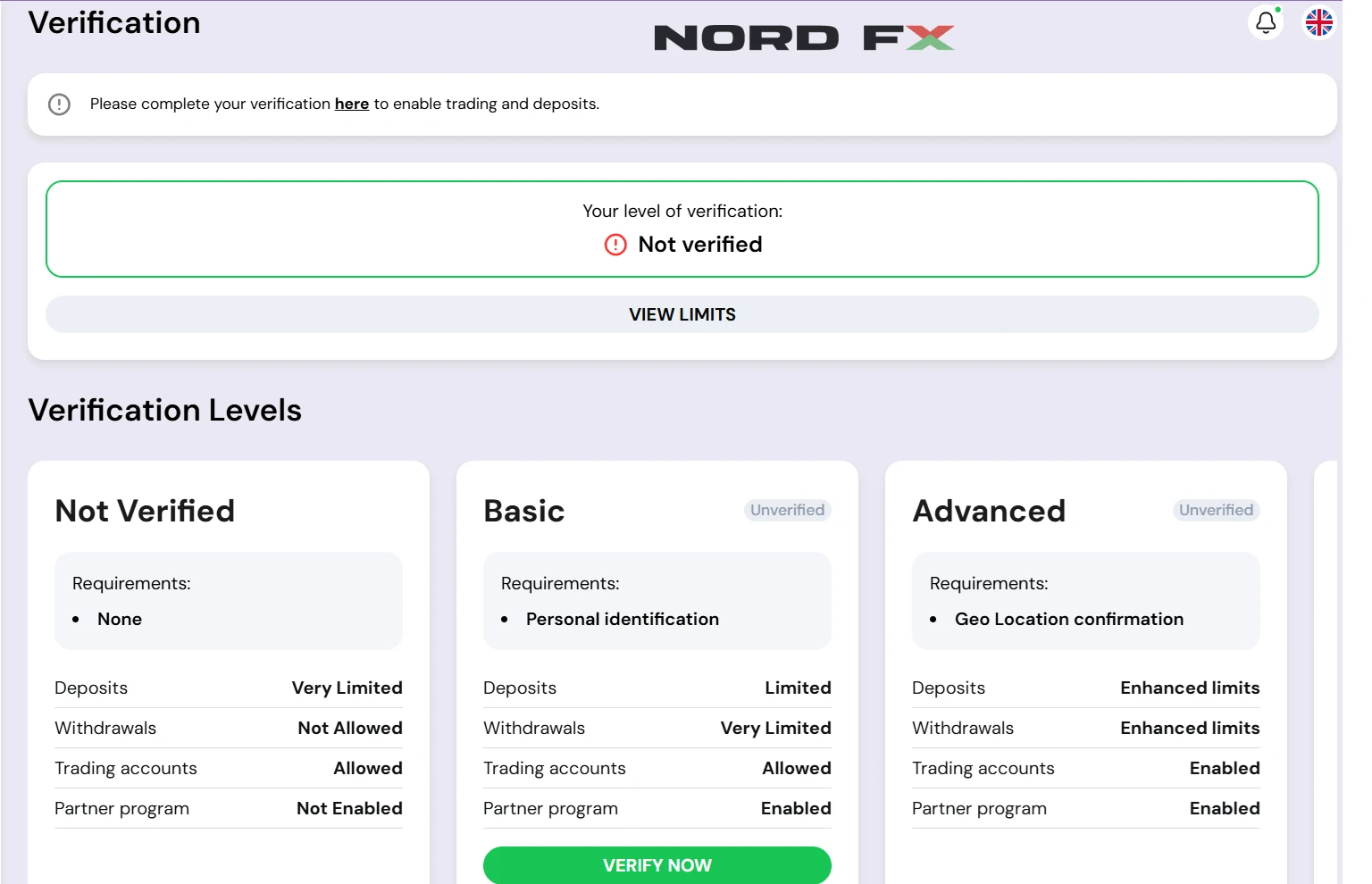
NordFX में, उपलब्ध कार्य और लेनदेन सीमाएं ग्राहक के सत्यापन स्तर पर निर्भर करती हैं। एक असत्यापित खाते की सीमाएं अधिक प्रतिबंधित होती हैं, जबकि अतिरिक्त सत्यापन स्तर पूरा करने से व्यापक खाता एक्सेस और उच्च सीमाएं मिलती हैं।
ब्रोकर खाता सत्यापन में कितना समय लगता है?
ऐसा कोई सार्वभौमिक सत्यापन समय नहीं है जो सभी ब्रोकरों या ग्राहकों पर लागू हो।
प्रोसेसिंग समय इस पर निर्भर कर सकता है:
- जानकारी सही ढंग से दर्ज की गई थी या नहीं;
- प्रस्तुत दस्तावेज़ ब्रोकर की आवश्यकताओं को पूरा करते हैं या नहीं;
- छवि और दस्तावेज़ की गुणवत्ता;
- दस्तावेज़ों की जानकारी खाता विवरण से मेल खाती है या नहीं;
- अतिरिक्त ड्यू डिलिजेंस आवश्यक है या नहीं;
- ब्रोकर की सत्यापन प्रक्रियाएं।
पूरी और सुसंगत जानकारी वाले एक सीधे आवेदन के लिए, गुम, अस्पष्ट या परस्पर विरोधी जानकारी वाले आवेदन की तुलना में कम जांच की आवश्यकता हो सकती है।
इस कारण से, व्यापारियों को यह मानने के बजाय कि सभी ट्रेडिंग खाते मिनटों या घंटों की एक निश्चित संख्या के भीतर सत्यापित हो जाते हैं, अपने ब्रोकर द्वारा दी गई प्रोसेसिंग जानकारी पर निर्भर रहना चाहिए।
व्यापारियों को कौन सी सामान्य खाता सत्यापन गलतियों से बचना चाहिए?
व्यक्तिगत जानकारी गलत तरीके से दर्ज करना
नाम, जन्म तिथि या पते में छोटी गलतियां सत्यापन प्रमाण के साथ बेमेल पैदा कर सकती हैं। व्यापारियों को दस्तावेज़ सबमिट करने से पहले अपने पंजीकरण विवरण की जांच करनी चाहिए।
एक समाप्त या अस्वीकार्य दस्तावेज़ अपलोड करना
एक दस्तावेज़ जो ब्रोकर की आवश्यकताओं को पूरा नहीं करता है, उसे बदलने की आवश्यकता हो सकती है, भले ही उसमें सही व्यक्तिगत जानकारी हो।
एक अस्पष्ट छवि सबमिट करना
धुंधली, कटी हुई या अपठनीय छवियां किसी दस्तावेज़ में दिखाई गई जानकारी को सत्यापित करना असंभव बना सकती हैं।
यह मानना कि हर ब्रोकर की समान आवश्यकताएं हैं
सत्यापन आवश्यकताएं क्षेत्राधिकार, ब्रोकर प्रक्रियाओं, ग्राहक प्रकार और जोखिम के अनुसार भिन्न होती हैं। एक स्थिति में स्वीकृत दस्तावेज़ दूसरी स्थिति में स्वचालित रूप से पर्याप्त नहीं होता है।
यह मानना कि सत्यापन एक बार की घटना है
KYC और कस्टमर ड्यू डिलिजेंस व्यावसायिक संबंध के दौरान जारी रह सकते हैं। अद्यतन जानकारी या अतिरिक्त जांच कभी-कभी आवश्यक हो सकती है।
लेनदेन के जरूरी होने तक इंतजार करना
अनसुलझे सत्यापन मुद्दों को तब तक छोड़ना जब तक व्यापारी को किसी विशेष खाता कार्य का उपयोग करने की आवश्यकता न हो, टालने योग्य जटिलताएं पैदा कर सकता है। खाता सेटअप के उपयुक्त चरण में लागू आवश्यकताओं को समझना और पूरा करना बेहतर है।
NordFX में खाता सत्यापन कैसे काम करता है?
NordFX में, खाता सत्यापन को कई स्तरों में विभाजित किया गया है। प्रत्येक स्तर ग्राहक के बारे में अतिरिक्त जानकारी की पुष्टि करता है और पर्सनल एरिया में उपलब्ध सीमाओं और कार्यों को प्रभावित करता है।
NordFX पर्सनल एरिया का सत्यापन सेक्शन ग्राहक का वर्तमान सत्यापन स्तर, अगले स्तर के लिए आवश्यकताएं, और संबंधित खाता सीमाएं दिखाता है।
असत्यापित — ईमेल और फोन
यह पंजीकरण के बाद का प्रारंभिक स्तर है। ग्राहक के ईमेल पते और फोन नंबर की पुष्टि की जाती है, लेकिन पहचान सत्यापन अभी पूरा नहीं हुआ है। इस चरण में, कुछ खाता कार्य और लेनदेन सीमाएं प्रतिबंधित होती हैं।
बेसिक — व्यक्तिगत पहचान (POI)
बेसिक स्तर के लिए व्यक्तिगत पहचान, या पहचान प्रमाण (POI) की आवश्यकता होती है। ग्राहक अनुरोधित पहचान जानकारी प्रदान करता है और पहचान सत्यापन प्रक्रिया पूरी करता है। इस स्तर तक पहुंचने से असत्यापित खाते की तुलना में उपलब्ध कार्यों का विस्तार होता है।
एडवांस्ड — जियोलोकेशन पुष्टिकरण
एडवांस्ड स्तर के लिए जियोलोकेशन पुष्टिकरण की आवश्यकता होती है। यह ग्राहक के स्थान का अतिरिक्त सत्यापन प्रदान करता है। पूरा होने पर, उच्च जमा और निकासी सीमाएं उपलब्ध हो जाती हैं।
फुल — पता प्रमाण
फुल स्तर के लिए पता प्रमाण की आवश्यकता होती है। यह सत्यापन प्रक्रिया के दौरान अनुरोधित दस्तावेज़ीकरण का उपयोग करके ग्राहक के आवासीय पते की पुष्टि करता है। फुल सत्यापन ग्राहक के लिए उपलब्ध अधिकतम खाता सीमाएं प्रदान करता है।
प्रत्येक स्तर पर लागू सटीक सीमाएं NordFX पर्सनल एरिया के सत्यापन सेक्शन में सीधे दिखाई जाती हैं। इसलिए ग्राहक अपनी वर्तमान स्थिति और अगले स्तर पर जाने के लिए किस अतिरिक्त सत्यापन की आवश्यकता है, दोनों देख सकते हैं।
अक्सर पूछे जाने वाले प्रश्न
ब्रोकरों को मेरी पहचान की आवश्यकता क्यों है?
ब्रोकरों को यह सत्यापित करने के लिए पहचान की आवश्यकता हो सकती है कि खाते का मालिक या नियंत्रक कौन है और लागू KYC, कस्टमर ड्यू डिलिजेंस और वित्तीय-अपराध रोकथाम आवश्यकताओं का पालन करने के लिए। सटीक आवश्यकताएं ब्रोकर और क्षेत्राधिकार पर निर्भर करती हैं।
क्या मैं अपना खाता सत्यापित किए बिना ट्रेड कर सकता हूं?
यह ब्रोकर और लागू नियमों पर निर्भर करता है। आवश्यक सत्यापन पूरा होने तक कुछ खाता कार्य अनुपलब्ध हो सकते हैं। व्यापारियों को यह नहीं मानना चाहिए कि पहचान सत्यापन के बिना खाते का पूरी तरह से उपयोग किया जा सकता है।
ब्रोकर को पता प्रमाण की आवश्यकता क्यों होती है?
पता प्रमाण एक ब्रोकर को ग्राहक की आवासीय जानकारी की पुष्टि करने और यह निर्धारित करने में मदद करता है कि ग्राहक किस क्षेत्राधिकार में स्थित है। यह महत्वपूर्ण है क्योंकि ब्रोकर कुछ देशों या क्षेत्रों के निवासियों को सेवाएं प्रदान करने में असमर्थ हो सकते हैं।
इसलिए पता सत्यापन यह स्थापित करने में मदद कर सकता है कि क्या कोई ग्राहक ब्रोकर के भौगोलिक प्रतिबंधों और लागू आवश्यकताओं के अंतर्गत खाता खोलने और उपयोग करने के लिए योग्य है। कई क्षेत्राधिकारों में, पता प्रमाण AML/KYC नियमों के अंतर्गत आवश्यक कस्टमर ड्यू डिलिजेंस जानकारी का भी हिस्सा हो सकता है।
क्या KYC खाता सत्यापन के समान है?
नहीं। खाता सत्यापन ग्राहक और उनके खाते के बारे में जानकारी की पुष्टि करने की व्यापक प्रक्रिया है। इसमें ईमेल और फोन पुष्टिकरण, पहचान सत्यापन, जियोलोकेशन पुष्टिकरण और पता प्रमाण शामिल हो सकते हैं।
ट्रेडिंग खाता सत्यापन में कितना समय लगता है?
कोई सार्वभौमिक समयसीमा नहीं है। यह ब्रोकर की प्रक्रियाओं, दस्तावेज़ की गुणवत्ता, जानकारी मेल खाती है या नहीं, और अतिरिक्त जांच आवश्यक है या नहीं, पर निर्भर करता है।
क्या एक ब्रोकर मुझे अपनी पहचान फिर से सत्यापित करने के लिए कह सकता है?
हां। कस्टमर ड्यू डिलिजेंस निरंतर हो सकती है, और एक ब्रोकर को लागू आवश्यकताओं और परिस्थितियों के आधार पर कभी-कभी अद्यतन या अतिरिक्त जानकारी की आवश्यकता हो सकती है।
मेरे सत्यापन दस्तावेज़ क्यों अस्वीकृत हो सकते हैं?
सामान्य कारणों में अस्पष्ट छवियां, अपूर्ण दस्तावेज़, समाप्त दस्तावेज़, असमर्थित दस्तावेज़ प्रकार या ऐसी जानकारी शामिल हो सकती है जो खाते पर पंजीकृत विवरण से मेल नहीं खाती। सटीक स्वीकृति मानदंड ब्रोकर पर निर्भर करते हैं।
व्यापारियों के लिए खाता सत्यापन क्यों महत्वपूर्ण है?
खाता सत्यापन केवल एक प्रशासनिक औपचारिकता नहीं है। यह एक ट्रेडिंग खाते के पीछे की पहचान स्थापित करता है और वित्तीय फर्मों द्वारा उपयोग किए जाने वाले व्यापक KYC और कस्टमर ड्यू डिलिजेंस फ्रेमवर्क का हिस्सा बनता है।
महत्वपूर्ण रूप से, ये आवश्यकताएं सामान्यतः ऐसी चीज़ नहीं हैं जिन्हें एक ब्रोकर अपनी सुविधा के लिए खुद बना लेता है। ब्रोकर कानूनी और नियामक ढांचों के भीतर काम करते हैं जो उन्हें ग्राहक पहचान, KYC, AML और ड्यू डिलिजेंस प्रक्रियाओं को लागू करने की आवश्यकता रखते हैं। क्षेत्राधिकार के आधार पर, ये दायित्व कानून, वित्तीय नियामकों, पर्यवेक्षी प्राधिकरणों और अंतरराष्ट्रीय AML/CFT मानकों से आ सकते हैं जो स्थानीय रूप से लागू किए जाते हैं।
व्यापारियों के लिए, व्यावहारिक दृष्टिकोण यह है कि वे सटीक व्यक्तिगत जानकारी प्रदान करें, ब्रोकर की सत्यापन आवश्यकताओं को समझें, और मांगे जाने पर उचित दस्तावेज़ीकरण प्रस्तुत करें।
सटीक प्रक्रिया ब्रोकरों और क्षेत्राधिकारों में भिन्न होती है, लेकिन अंतर्निहित सिद्धांत सुसंगत है: ब्रोकरों को यह जानना आवश्यक है कि उनके ग्राहक कौन हैं, संबंधित जानकारी सत्यापित करना और आवश्यकतानुसार निरंतर ड्यू डिलिजेंस लागू करना। दूसरे शब्दों में, खाता सत्यापन मुख्य रूप से ब्रोकर पर लगाया गया एक अनुपालन दायित्व है, न कि ब्रोकर द्वारा स्वयं बनाई गई एक मनमानी प्रक्रिया।
वापस जाएं वापस जाएं