Apa yang sebenarnya diukur oleh kapitalisasi pasar kripto?
Jawaban singkat: Kapitalisasi pasar kripto adalah harga saat ini dari sebuah mata uang kripto dikalikan dengan suplai yang beredar. Ini memberikan estimasi valuasi dan cara untuk membandingkan ukuran relatif aset kripto. Ini tidak menunjukkan berapa banyak uang yang telah diinvestasikan, seberapa likuid aset tersebut, apakah nilainya wajar, atau apakah itu investasi yang baik.
Apa Arti Kapitalisasi Pasar Kripto?
Kapitalisasi pasar kripto, biasanya disingkat menjadi market cap, adalah estimasi nilai pasar total saat ini dari suplai yang beredar suatu mata uang kripto.
Rumus dasarnya adalah:
Market Cap = Harga Saat Ini × Suplai yang Beredar
Jika suatu mata uang kripto memiliki 50 juta unit yang beredar dan setiap unit diperdagangkan pada $20, maka kapitalisasi pasarnya adalah:
$20 × 50.000.000 = $1 miliar
Oleh karena itu, kapitalisasi pasar menggabungkan dua variabel: harga pasar saat ini dan jumlah unit yang dianggap beredar.
Ini terutama berguna sebagai metrik ukuran relatif. Mata uang kripto dengan kapitalisasi pasar $50 miliar mewakili valuasi terukur yang lebih besar daripada yang memiliki kapitalisasi pasar $500 juta, meskipun mata uang kripto kedua memiliki harga per koin yang jauh lebih tinggi.
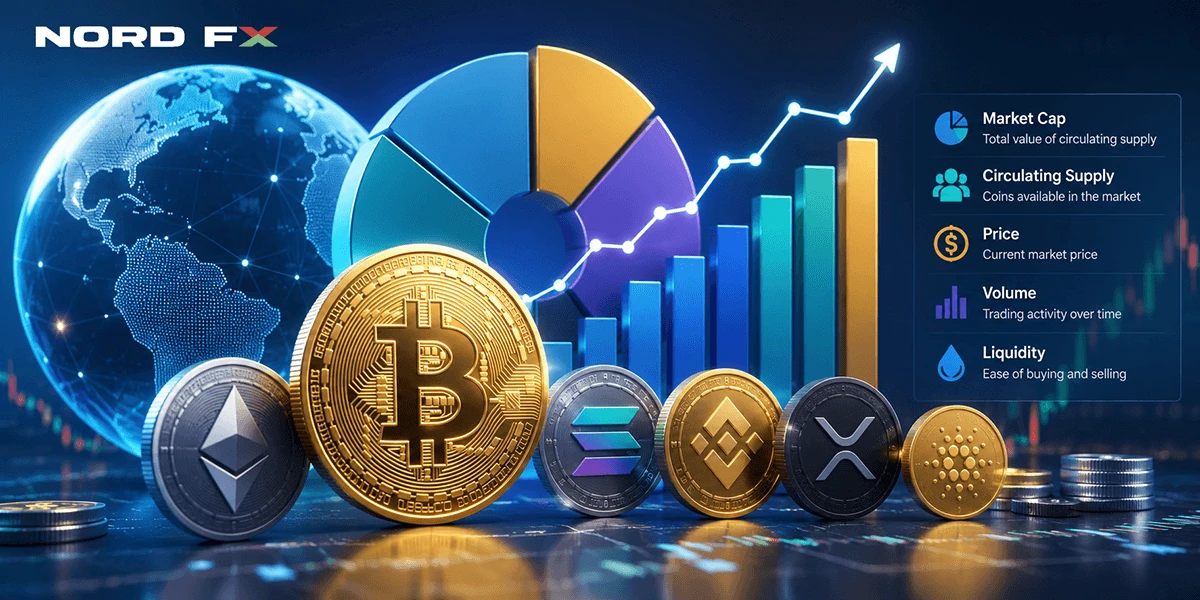
Bagaimana Kapitalisasi Pasar Kripto Dihitung?
Perhitungannya sendiri sederhana, tetapi kedua bagian rumus tersebut perlu dipahami dengan benar.
Harga saat ini adalah harga pasar yang ditetapkan untuk satu koin atau token. Penyedia data kripto umumnya menghasilkan harga ini dari data perdagangan di berbagai bursa atau pasangan pasar sesuai dengan metodologi mereka sendiri.
Suplai yang beredar mewakili jumlah mata uang kripto yang dianggap tersedia di pasar dan berada di tangan publik.
Sebagai contoh:
- Harga saat ini: $4
- Suplai yang beredar: 250 juta token
Kapitalisasi pasar:
$4 × 250 juta = $1 miliar
Suplai yang beredar penting karena dapat berbeda secara signifikan dari total suplai atau suplai maksimum. Token yang terkunci, dicadangkan, atau belum diterbitkan dapat dikecualikan dari perhitungan kapitalisasi pasar beredar yang normal.
Ini juga berarti angka kapitalisasi pasar dapat sedikit berbeda antara penyedia data jika mereka menggunakan feed harga atau metodologi suplai yang berbeda.
Apa yang Sebenarnya Diberitahukan oleh Kapitalisasi Pasar kepada Anda?
Kapitalisasi pasar paling berguna untuk menjawab pertanyaan yang relatif sempit:
Seberapa besar valuasi pasar suatu mata uang kripto saat ini dibandingkan dengan mata uang kripto lainnya?
Ini dapat membantu trader untuk:
- membandingkan ukuran relatif aset kripto;
- membuat peringkat mata uang kripto berdasarkan valuasi terhitung;
- melacak perubahan pangsa aset dalam pasar yang lebih luas;
- memahami dominasi Bitcoin atau aset lainnya;
- membandingkan aset yang harga koin individualnya sangat berbeda.
Misalnya, Kripto A diperdagangkan pada $50.000 per koin tetapi hanya memiliki 10.000 koin yang beredar. Kapitalisasi pasarnya adalah $500 juta.
Kripto B diperdagangkan hanya pada $10 per token tetapi memiliki 500 juta token yang beredar. Kapitalisasi pasarnya adalah $5 miliar.
Oleh karena itu, Kripto B memiliki kapitalisasi pasar sepuluh kali lebih besar meskipun harga per tokennya jauh lebih rendah.
Inilah sebabnya mengapa harga koin individual saja merupakan ukuran yang buruk untuk menentukan ukuran relatif suatu mata uang kripto.
Apa yang Tidak Diberitahukan oleh Kapitalisasi Pasar Kripto kepada Anda?
Kapitalisasi pasar berguna, tetapi maknanya sering dibesar-besarkan.
Pertanyaan | Apakah kapitalisasi pasar menjawabnya? | Mengapa? |
Seberapa besar valuasi terhitung mata uang kripto tersebut? | Ya | Kapitalisasi pasar mengukur harga × suplai yang beredar |
Berapa banyak uang yang telah diinvestasikan? | Tidak | Ini tidak dihitung dari akumulasi aliran modal masuk |
Seberapa likuid mata uang kripto tersebut? | Tidak | Likuiditas bergantung pada pembeli, penjual yang tersedia, dan kedalaman order book |
Seberapa aktif diperdagangkan? | Tidak | Aktivitas perdagangan diukur secara terpisah melalui volume |
Apakah nilainya wajar? | Tidak | Kapitalisasi pasar memberikan valuasi, bukan penilaian nilai wajar |
Apakah proyek tersebut kuat secara finansial atau teknis? | Tidak | Fundamental memerlukan analisis terpisah |
Apakah mata uang kripto tersebut berisiko rendah? | Tidak | Kapitalisasi pasar saja tidak dapat mengukur volatilitas atau risiko lainnya |
Dapatkah semua unit yang beredar dijual mendekati harga saat ini? | Tidak | Penjualan besar dapat menggerakkan harga pasar, terutama di pasar yang tipis |
Perbedaan utamanya adalah bahwa kapitalisasi pasar merupakan valuasi terhitung. Ini tidak boleh diartikan sebagai uang tunai yang tersimpan di dalam suatu mata uang kripto.
Apakah Kapitalisasi Pasar Kripto Sama dengan Uang yang Diinvestasikan?
Tidak. Ini adalah salah satu kesalahpahaman paling penting tentang kapitalisasi pasar mata uang kripto.
Pertimbangkan mata uang kripto hipotetis dengan:
- 50 juta token yang beredar
- harga pasar sebesar $20
Kapitalisasi pasarnya adalah:
50 juta × $20 = $1 miliar
Sekarang misalkan perdagangan mendorong harga pasar terbarunya menjadi $22.
Kapitalisasi pasar barunya menjadi:
50 juta × $22 = $1,1 miliar
Kapitalisasi pasar terhitung telah meningkat sebesar $100 juta.
Itu tidak berarti investor harus menyuntikkan $100 juta uang baru ke dalam mata uang kripto tersebut.
Hanya sebagian token yang benar-benar berpindah tangan saat harga pasar ditetapkan. Jika transaksi pada harga yang lebih tinggi menggerakkan harga pasar yang dikutip dari $20 menjadi $22, harga $22 yang baru tersebut kemudian diterapkan secara matematis pada seluruh 50 juta token yang beredar.
Oleh karena itu, perhitungan kapitalisasi pasar meningkat sebesar $100 juta meskipun jumlah modal baru yang terlibat dalam transaksi tersebut bisa sangat berbeda.
Prinsip yang sama berlaku secara terbalik. Penurunan kapitalisasi pasar sebesar $100 juta tidak selalu berarti bahwa investor secara kolektif menarik $100 juta uang tunai.
Apakah Kapitalisasi Pasar Mempengaruhi Harga Kripto?
Kapitalisasi pasar biasanya merupakan hasil dari harga dan suplai, bukan kekuatan independen yang secara mekanis menentukan harga.
Rumusnya adalah:
Market Cap = Harga × Suplai yang Beredar
Jika suplai yang beredar tetap tidak berubah dan harga naik 10%, kapitalisasi pasar juga naik sekitar 10%.
Jika harga tetap tidak berubah tetapi suplai yang beredar meningkat, kapitalisasi pasar dapat naik karena lebih banyak token yang disertakan dalam perhitungan.
Trader terkadang membalikkan hubungan ini dan menganggap bahwa perubahan kapitalisasi pasar itu sendiri pasti menyebabkan harga bergerak. Pada praktiknya, harga dan suplai adalah input dalam perhitungan kapitalisasi pasar.
Peringkat kapitalisasi pasar dan persepsi investor dapat mempengaruhi perilaku perdagangan, tetapi itu berbeda dari kapitalisasi pasar yang secara matematis menetapkan harga.
Apa Perbedaan Antara Kapitalisasi Pasar, FDV, Volume, dan Likuiditas?
Metrik-metrik ini menjawab pertanyaan yang berbeda dan tidak boleh digunakan secara bergantian.
Metrik | Makna dasar | Pertanyaan utama yang dijawab |
Harga | Nilai saat ini dari satu koin atau token | Berapa nilai tukar satu unit saat ini? |
Kapitalisasi pasar | Harga × suplai yang beredar | Berapa valuasi saat ini dari suplai yang beredar? |
Fully diluted valuation (FDV) | Harga × ukuran suplai masa depan atau maksimum yang lebih luas | Seperti apa valuasinya jika suplai tambahan disertakan? |
Volume perdagangan | Nilai yang diperdagangkan selama periode tertentu | Berapa banyak aktivitas perdagangan yang terjadi? |
Kemampuan untuk melakukan perdagangan tanpa menyebabkan perubahan harga yang berlebihan | Seberapa mudah posisi dapat dibeli atau dijual? |
Kapitalisasi pasar vs FDV
Kapitalisasi pasar biasanya berfokus pada suplai yang beredar.
Fully diluted valuation memperkirakan valuasi yang lebih luas dengan menerapkan harga saat ini pada ukuran suplai yang lebih besar, biasanya suplai maksimum atau angka suplai fully diluted lain yang telah ditentukan.
Jika suatu mata uang kripto memiliki:
- 100 juta token yang beredar;
- suplai maksimum 1 miliar token;
- harga $2;
maka kapitalisasi pasar beredarnya adalah:
100 juta × $2 = $200 juta
Fully diluted valuation-nya berdasarkan suplai maksimum adalah:
1 miliar × $2 = $2 miliar
Perbedaan yang besar ini menunjukkan bahwa jauh lebih banyak suplai yang berpotensi ada dibandingkan yang saat ini disertakan dalam kapitalisasi pasar beredar.
Ini tidak memprediksi bahwa mata uang kripto tersebut pada akhirnya akan bernilai $2 miliar. Ini hanyalah ukuran valuasi lainnya.
Kapitalisasi pasar vs volume perdagangan
Kapitalisasi pasar mengukur valuasi.
Volume perdagangan mengukur berapa banyak suatu aset yang telah diperdagangkan selama periode tertentu, seperti 24 jam.
Oleh karena itu, suatu mata uang kripto dapat memiliki kapitalisasi pasar yang besar tetapi volume perdagangan yang relatif rendah, atau kapitalisasi pasar yang lebih kecil dengan aktivitas perdagangan yang tidak biasa tinggi.
Kapitalisasi pasar vs likuiditas
Volume dan likuiditas juga berbeda.
Likuiditas menggambarkan seberapa mudah suatu aset dapat diperdagangkan pada atau mendekati harga pasar yang dikutip tanpa menghasilkan perubahan harga yang besar.
Kapitalisasi pasar yang tinggi tidak menjamin likuiditas yang dalam. Oleh karena itu, trader harus mempertimbangkan kedalaman pasar, tempat perdagangan yang tersedia, spread, dan aktivitas perdagangan secara terpisah.
Apa Itu Total Kapitalisasi Pasar Kripto?
Total kapitalisasi pasar kripto adalah gabungan kapitalisasi pasar dari mata uang kripto yang disertakan oleh penyedia data tertentu.
Dalam bentuk sederhana:
Total Kapitalisasi Pasar Kripto = Kapitalisasi Pasar Kripto A + Kripto B + Kripto C + ...
Ini memberikan ukuran luas tentang bagaimana valuasi terhitung pasar mata uang kripto secara keseluruhan berubah.
Namun, total kapitalisasi pasar kripto tidak selalu identik di berbagai situs web.
Penyedia data yang berbeda dapat melacak jumlah aset kripto yang berbeda, menerapkan aturan suplai beredar yang berbeda, atau menggunakan metodologi yang berbeda untuk menentukan harga dan aset yang memenuhi syarat.
Oleh karena itu, trader yang membandingkan perubahan dari waktu ke waktu sebaiknya secara konsisten menggunakan sumber data yang sama.
Total kapitalisasi pasar juga tidak boleh diartikan sebagai total jumlah uang yang diinvestasikan dalam mata uang kripto. Ini adalah jumlah dari kapitalisasi pasar terhitung.
Bagaimana Trader Sebaiknya Menggunakan Kapitalisasi Pasar Kripto?
Kapitalisasi pasar bekerja paling baik sebagai metrik kontekstual daripada sinyal perdagangan yang berdiri sendiri.
Trader dapat menggunakannya untuk memahami apakah suatu aset relatif besar atau kecil dalam pasar kripto dan untuk membandingkan valuasinya dengan aset kripto lainnya.
Ini menjadi lebih informatif ketika dianalisis bersama dengan:
- perilaku harga;
- volume perdagangan;
- likuiditas;
- suplai yang beredar dan masa depan;
- fully diluted valuation;
- volatilitas;
- Bitcoin atau ukuran dominasi pasar lainnya.
Bagi trader CFD, kapitalisasi pasar dapat memberikan latar belakang tentang pasar kripto yang mendasarinya, tetapi hal itu sendiri tidak menunjukkan apakah CFD kripto harus dibeli atau dijual.
CFD memungkinkan trader untuk mendapatkan eksposur terhadap pergerakan harga tanpa memiliki mata uang kripto yang mendasarinya. Karena CFD adalah produk dengan leverage, manajemen risiko, ukuran posisi, dan volatilitas harga tetap penting terlepas dari kapitalisasi pasar aset yang mendasarinya.
Kesalahan Umum Apa yang Dilakukan Trader Terkait Kapitalisasi Pasar Kripto?
Menganggap kapitalisasi pasar sebagai uang yang diinvestasikan
Kapitalisasi pasar $10 miliar tidak berarti investor telah menyetorkan $10 miliar ke dalam mata uang kripto tersebut. Kapitalisasi pasar dihitung dari harga dan suplai yang beredar.
Menganggap koin murah memiliki potensi kenaikan lebih besar
Token dengan harga $0,10 tidak selalu "lebih murah" dalam hal valuasi dibandingkan koin dengan harga $10.000. Suplai yang beredar juga harus dipertimbangkan.
Mengabaikan suplai masa depan
Kapitalisasi pasar beredar yang relatif kecil dapat berdampingan dengan fully diluted valuation yang jauh lebih besar jika sejumlah besar token belum masuk ke dalam sirkulasi.
Menganggap kapitalisasi pasar sebagai likuiditas
Valuasi terhitung yang besar tidak menjamin bahwa posisi besar dapat dibeli atau dijual tanpa menggerakkan harga.
Menganggap kapitalisasi pasar yang lebih besar berarti aman
Kapitalisasi pasar dapat memberikan informasi tentang ukuran relatif, tetapi tidak dapat menghilangkan volatilitas harga mata uang kripto, risiko likuiditas, atau risiko pasar lainnya.
Menggunakan kapitalisasi pasar sebagai sinyal perdagangan
Kapitalisasi pasar dapat membantu membangun konteks, tetapi tidak menentukan apakah harga akan naik atau turun.
FAQ
Apa arti kapitalisasi pasar dalam kripto?
Kapitalisasi pasar kripto adalah harga saat ini dari suatu mata uang kripto dikalikan dengan suplai yang beredar. Ini terutama digunakan untuk mengukur dan membandingkan valuasi relatif aset kripto.
Berapa kapitalisasi pasar yang baik untuk suatu mata uang kripto?
Tidak ada kapitalisasi pasar "baik" yang bersifat universal. Kapitalisasi pasar yang lebih besar menunjukkan valuasi terhitung yang lebih besar, tetapi hal itu sendiri tidak menentukan kualitas, keamanan, likuiditas, atau kinerja di masa depan.
Apakah kapitalisasi pasar yang lebih tinggi berarti suatu mata uang kripto lebih aman?
Tidak. Aset kripto yang lebih besar mungkin memiliki karakteristik pasar yang berbeda dari yang lebih kecil, tetapi kapitalisasi pasar saja tidak mengukur risiko. Volatilitas, likuiditas, konsentrasi, struktur suplai, dan faktor lainnya juga penting.
Apakah kapitalisasi pasar merupakan jumlah uang yang diinvestasikan dalam kripto?
Tidak. Kapitalisasi pasar adalah harga dikalikan dengan suplai yang beredar. Ini tidak mewakili jumlah kumulatif uang tunai yang telah ditanamkan investor ke dalam suatu mata uang kripto.
Dapatkah kapitalisasi pasar kripto naik tanpa jumlah uang baru yang setara masuk?
Ya. Jika perdagangan menyebabkan harga yang dikutip naik, harga yang lebih tinggi tersebut diterapkan pada seluruh suplai yang beredar saat kapitalisasi pasar dihitung. Oleh karena itu, kenaikan kapitalisasi pasar sebesar $1 miliar tidak memerlukan aliran modal baru sebesar $1 miliar.
Apa perbedaan antara kapitalisasi pasar kripto dan volume perdagangan?
Kapitalisasi pasar mengukur valuasi terhitung dari suplai yang beredar. Volume perdagangan mengukur berapa banyak perdagangan yang terjadi selama periode tertentu. Keduanya menggambarkan aspek yang berbeda dari pasar mata uang kripto.
Kembali Kembali