A negociação de CFDs de energia significa especular sobre as variações de preço do petróleo bruto, do gás natural e de outros mercados de energia através de contratos por diferença em vez de possuir as matérias-primas físicas. Oferece exposição flexível a posições longas e curtas com alavancagem, mas é complexa, comporta um risco significativo e pode originar perdas rápidas se os traders não gerirem cuidadosamente a margem, a volatilidade e os custos.
O que são os CFDs de energia?
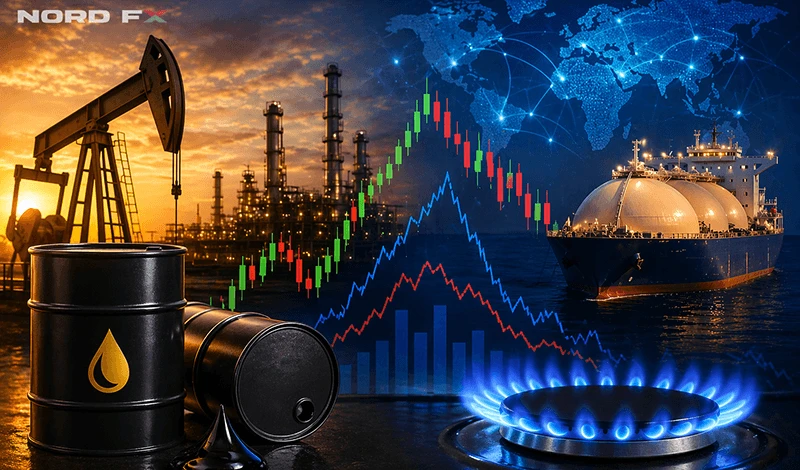
Os CFDs de energia são contratos por diferença que replicam o preço de ativos energéticos como o petróleo Brent, o petróleo WTI, o gás natural e, por vezes, índices de eletricidade. Num CFD, você acorda trocar a diferença entre o preço de abertura e o preço de fecho do mercado, em vez de comprar barris de petróleo ou unidades de gás. Isto torna a negociação de CFDs de energia uma forma de negociação de matérias-primas baseada em derivados, concebida principalmente para especulação. Como negocia apenas com base no movimento dos preços, pode assumir posições longas ou curtas sem se preocupar com armazenamento, entrega ou logística física.
Quais são as vantagens da negociação de CFDs de energia?
A principal vantagem da negociação de CFDs de energia é o acesso flexível aos mercados energéticos globais com um capital inicial relativamente baixo. Pode assumir uma posição longa se esperar que o preço do petróleo bruto suba, ou uma posição curta se pensar que o gás natural vai cair. A alavancagem permite controlar uma posição maior com um depósito de margem mais pequeno, o que pode ampliar os ganhos quando as operações evoluem a seu favor. Os mercados de energia são frequentemente líquidos e voláteis, criando oportunidades frequentes para traders de curto prazo. Os CFDs também podem proporcionar exposição conveniente para traders que não conseguem acesso direto aos futuros.
- Capacidade de negociar tanto a subida como a descida dos preços nos mercados de energia.
- Capital inicial mais baixo do que os futuros diretos ou a posse física.
- Elevada liquidez nos principais benchmarks de petróleo bruto e gás.
- Dimensionamento de posições e tamanhos de contrato flexíveis em muitas corretoras.
- Acesso conveniente através da plataforma, em conjunto com outros CFDs e forex.
Quais são as desvantagens da negociação de CFDs de energia?
A principal desvantagem é que a alavancagem amplifica tanto as perdas como os ganhos, o que torna os CFDs de energia um produto de elevado risco. Os preços da energia podem ser extremamente voláteis em torno de reuniões da OPEP, relatórios de inventários, eventos geopolíticos e choques climáticos. Um pequeno movimento de preço contra uma posição alavancada pode desencadear rapidamente grandes perdas e até chamadas de margem. Os traders também têm de pagar o spread, que é a diferença entre o preço de compra (bid) e de venda (ask), e podem incorrer em custos de financiamento overnight ao manterem posições. Estes custos e riscos significam que os CFDs de energia não são adequados para todos os traders.
- A volatilidade súbita pode causar quedas rápidas de capital (drawdowns) e fechos forçados de posições (stop-outs).
- Os spreads e os custos de financiamento overnight reduzem os retornos líquidos.
- A liquidez pode reduzir-se fora do horário de maior atividade ou em picos de notícias.
- As características complexas do produto podem confundir traders inexperientes.
Quem pode considerar utilizar CFDs de energia?
Os CFDs de energia podem ser adequados para traders que compreendem derivados, alavancagem e gestão de risco, e que acompanham ativamente os mercados de energia. Podem atrair traders de curto prazo que queiram especular sobre o petróleo bruto, o gás natural e instrumentos relacionados sem abrir contas de futuros ou lidar com entrega física. Os traders intermédios podem utilizar os CFDs de energia para expressar as suas perspetivas sobre eventos macroeconómicos, como cortes de oferta ou choques de procura. No entanto, estes contratos são produtos complexos que podem não ser adequados para investidores conservadores, principiantes sem um plano de risco, ou para quem não se sinta confortável com oscilações rápidas no valor da conta.
Um utilizador típico pode ser um trader que acompanha os dados semanais de inventários de petróleo e assume posições de curto prazo em torno de surpresas esperadas. Outro utilizador pode assumir uma posição curta em CFDs de gás natural antes de uma previsão de um inverno suave. Em ambos os casos, o dimensionamento das posições, os níveis de stop-loss e a consciência dos requisitos de margem são cruciais.
Quais são os principais fatores de risco na negociação de CFDs de energia?
Os principais fatores de risco na negociação de CFDs de energia incluem a alavancagem, a volatilidade, a liquidez e os custos de financiamento. A alavancagem aumenta a sua exposição em relação à sua margem, pelo que uma pequena variação de preço pode gerar um grande lucro ou perda. A elevada volatilidade nos mercados de energia pode originar gaps e slippage, situações em que as ordens são executadas a preços piores do que o esperado. A liquidez pode diminuir fora do horário principal de negociação ou durante eventos extremos, alargando os spreads. Os encargos de financiamento overnight sobre posições alavancadas aumentam o custo de manter operações abertas, especialmente em estratégias de vários dias.
- A utilização de alavancagem multiplica tanto os ganhos como as perdas.
- As oscilações voláteis de preço no petróleo bruto e no gás podem desencadear gaps.
- A liquidez reduzida pode causar spreads mais largos e slippage.
- Os encargos de financiamento overnight e de rollover aumentam os custos de manutenção das posições.
- Os riscos operacionais, como falhas na plataforma, podem afetar a execução das operações.
Dicas de gestão de risco para traders de CFDs de energia
Uma gestão de risco eficaz é essencial ao negociar CFDs de energia, devido à sua natureza alavancada e volátil. Os traders devem definir o risco antes de abrir uma posição, escolhendo um nível de stop-loss claro e calculando o tamanho da posição com base no saldo da sua conta. Manter o risco por operação numa pequena fração do capital pode ajudar a proteger a conta de grandes drawdowns. Monitorizar os níveis de margem reduz a probabilidade de liquidação forçada durante movimentos abruptos. É também importante compreender como os spreads, as taxas de swap e o financiamento overnight afetarão as posições longas e curtas mantidas além do dia de negociação.
- Arrisque apenas uma pequena percentagem do capital da conta em cada operação.
- Coloque ordens de stop-loss e evite afastá-las do ponto de entrada por esperança.
- Verifique os requisitos de margem e a margem livre antes de adicionar novas posições.
- Esteja atento aos encargos de financiamento overnight e ao swap em CFDs de energia longos ou curtos.
- Evite negociar durante grandes eventos noticiosos sem um plano claro para a volatilidade e o slippage.
FAQ
O que é a negociação de CFDs de energia em termos simples?
A negociação de CFDs de energia significa especular sobre o preço de matérias-primas energéticas, como o petróleo bruto e o gás natural, através de contratos por diferença, em vez de possuir os ativos físicos. Você lucra ou perde com base nas variações de preço entre a abertura e o fecho de uma posição.
Como funciona a alavancagem nos CFDs de energia?
A alavancagem permite controlar uma posição de energia maior com um depósito de margem mais pequeno, como 10:1 ou 20:1, dependendo da corretora e da regulação. Isto pode aumentar os retornos potenciais, mas também aumenta a velocidade e a dimensão das perdas possíveis.
Quais são os principais riscos da negociação de CFDs de energia?
Os principais riscos são as perdas impulsionadas pela alavancagem, a forte volatilidade dos preços da energia, o alargamento dos spreads e custos contínuos, como o financiamento overnight. Em certas condições, as perdas podem exceder o seu depósito inicial, dependendo das proteções da sua corretora e das regras locais.
Os CFDs de energia são adequados para principiantes?
Os CFDs de energia são produtos complexos e são, geralmente, mais adequados para traders que já compreendem a alavancagem, a margem e a volatilidade. Os principiantes que queiram aprender podem começar com posições mais pequenas, uma conta demo, ou com produtos sem alavancagem.
Como afetam os spreads e o financiamento overnight os retornos?
Os spreads significam que compra ligeiramente mais caro e vende ligeiramente mais barato do que o preço médio de mercado, o que cria um pequeno custo imediato. Os encargos de financiamento overnight e as taxas de swap acrescentam custos extra por manter posições alavancadas em CFDs de energia além do dia de negociação, o que pode reduzir os lucros líquidos ou aumentar as perdas ao longo do tempo.
A negociação de CFDs de energia pode oferecer acesso flexível ao petróleo bruto, ao gás natural e a outros mercados de energia, com a capacidade de negociar tanto a subida como a descida dos preços. Envolve também um risco significativo decorrente da alavancagem, da volatilidade, dos spreads e dos custos de financiamento, pelo que é melhor abordá-la com limites de risco claros, disciplina rigorosa e a consciência de que as perdas podem ser rápidas e substanciais.
Conheça a Autora
Vanessa Polson é gestora de marketing na NordFX, com mais de doze anos de experiência em marketing online no setor dos serviços financeiros. Desenvolveu e executou campanhas orientadas por dados em canais de pesquisa, redes sociais e display, em ambientes internos (in-house). O seu trabalho centra-se em traduzir produtos financeiros complexos e ferramentas de negociação em conteúdo educativo claro e prático, o que lhe confere uma visão ampla e abrangente do panorama global da negociação.
Conecte-se com a Vanessa no LinkedIn.
Voltar Voltar