Teknik analiz trendleri, piyasa fiyat hareketinin zaman içindeki genel yönünü ifade eder. Üç ana tür yükseliş trendi, düşüş trendi ve yatay trenddir. Traderlar, momentumu, piyasa yapısını ve olası işlem fırsatlarını belirlemek için trend analizini kullanır.
Teknik analiz trendleri, bir piyasadaki fiyat hareketinin zaman içindeki yönünü gösterir. Bir trend yukarı, aşağı veya yatay yönde hareket edebilir ve traderlar bunu alıcıların mı yoksa satıcıların mı kontrolü elinde tuttuğunu anlamak için kullanır. Trendleri tespit etmek için en yaygın araçlar trend çizgileri, hareketli ortalamalar, destek ve direnç ile fiyat yapısıdır. Yeni başlayanlar için trend analizi, teknik analizin en yararlı bölümlerinden biridir çünkü fiyat grafiklerini daha net işlem kararlarına dönüştürmeye yardımcı olur.
Teknik Analizde Trend Nedir?
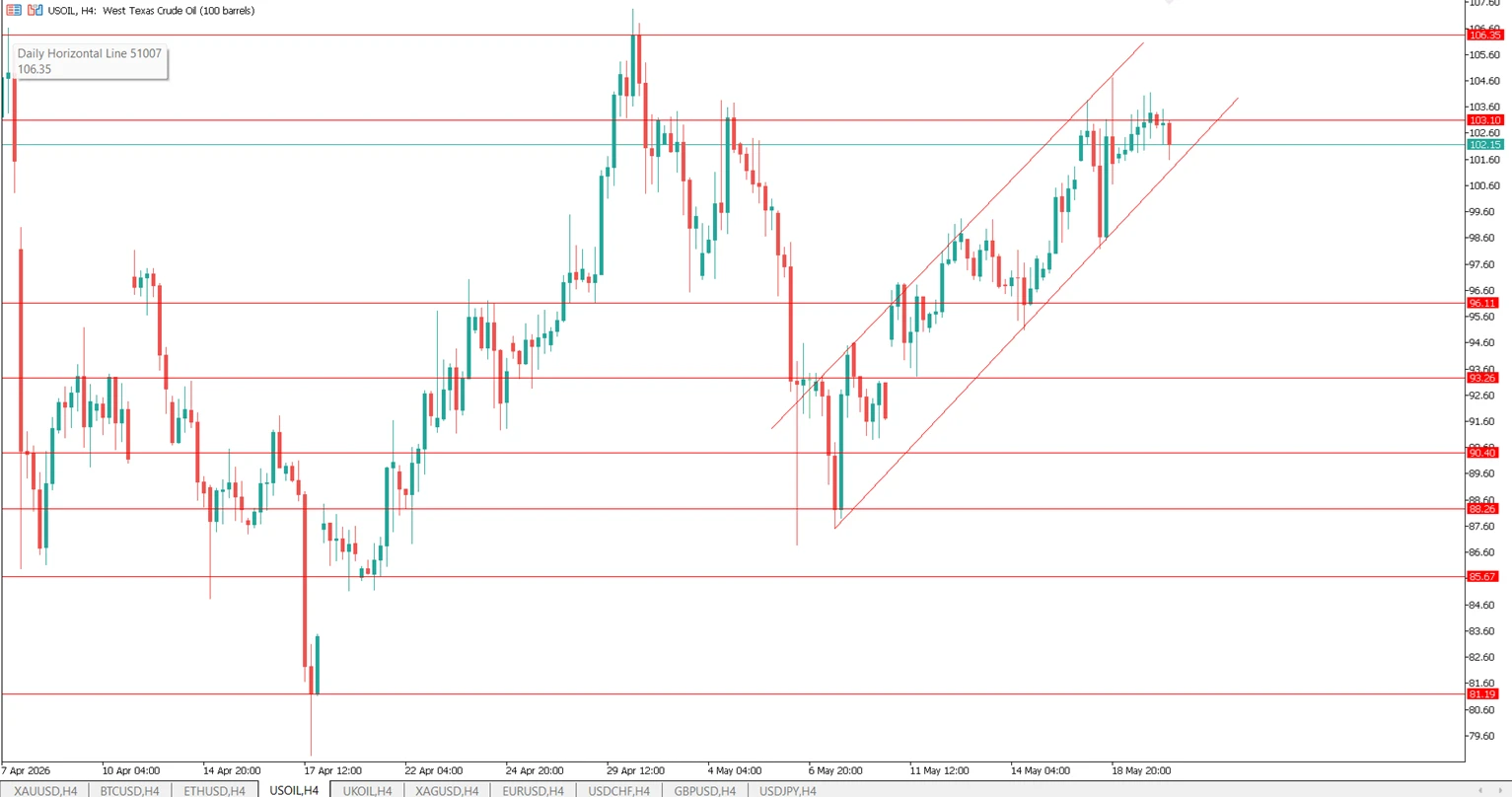
Trend, belirli bir zaman dilimi içindeki fiyat hareketinin genel yönüdür. Yükseliş trendinde fiyat genellikle daha yüksek zirveler ve daha yüksek dipler oluşturur. Düşüş trendinde fiyat genellikle daha düşük zirveler ve daha düşük dipler oluşturur. Yatay trendde ise fiyat belirgin bir yön olmaksızın bir aralık içinde hareket eder. Traderlar trendleri incelerler çünkü piyasalar genellikle beklenenden daha uzun süre aynı yönde devam eder.
Trendler Neden Önemlidir
Trendler önemlidir çünkü traderların dönüşleri tahmin etmek yerine momentumu takip etmelerine yardımcı olur. Bir piyasa trend halindeyken, o yönde işlem yapmak dönüş noktalarını tahmin etmeye çalışmaktan genellikle daha basittir. Trend analizi ayrıca traderların giriş, çıkış ve risk seviyelerini daha tutarlı bir şekilde belirlemelerine yardımcı olur. Yeni başlayanlar için bu, trendleri teknik analizdeki en pratik temellerden biri haline getirir.
Ana Trend Türleri Nelerdir?
Üç ana trend türü vardır:
- Yükseliş trendi: Fiyat zaman içinde daha yüksek zirveler ve daha yüksek diplerle yükselir.
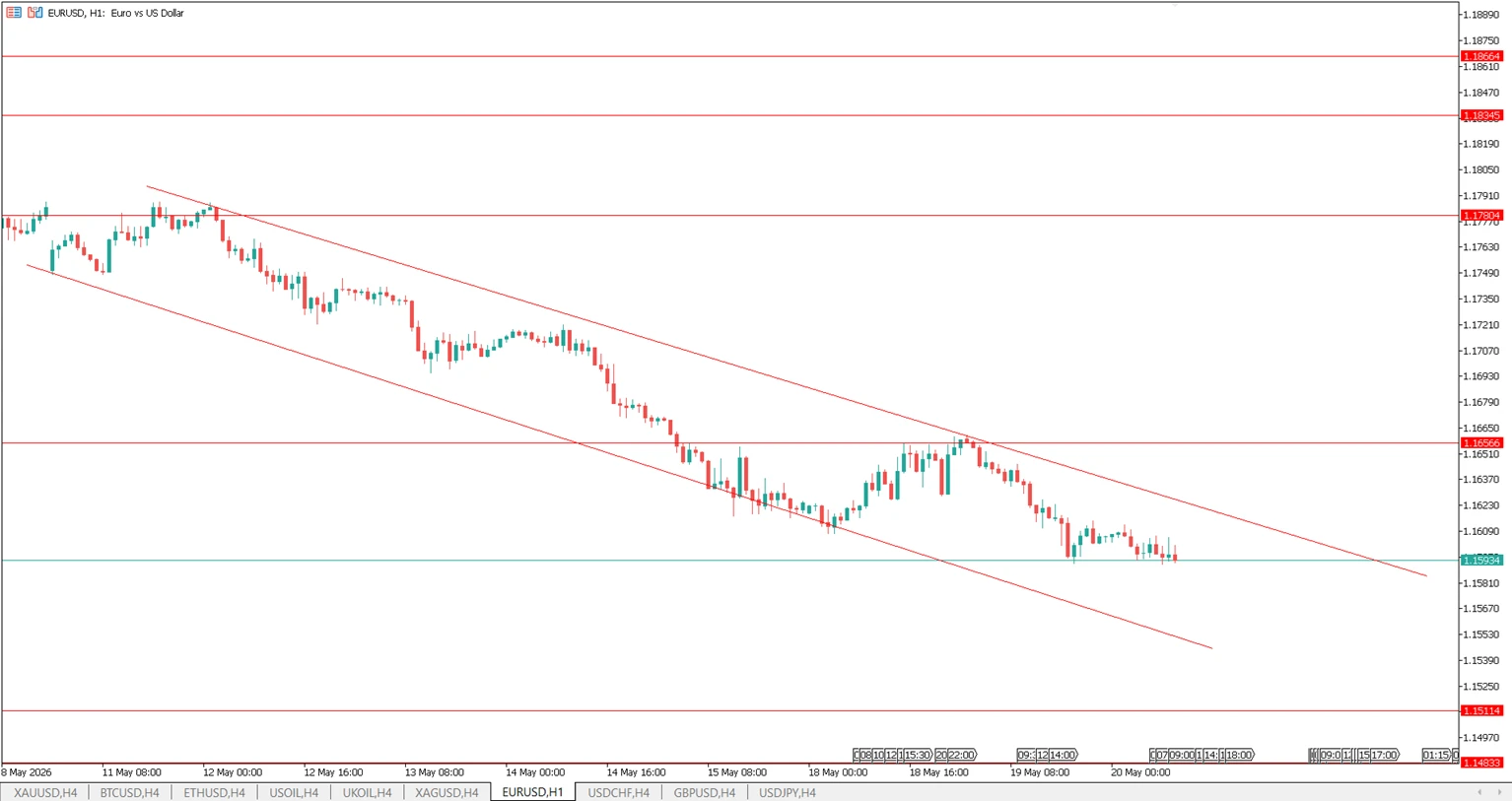
- Düşüş trendi: Fiyat zaman içinde daha düşük zirveler ve daha düşük diplerle geriler.
- Yatay trend: Fiyat, belirgin bir yönelim olmadan destek ve direnç arasında işlem görür.
Bazı traderlar trendleri, küçük, orta ve büyük trendler gibi zaman dilimine göre de tanımlar. Bu önemlidir çünkü bir hisse senedi veya para birimi çifti bir grafikte yükseliş eğiliminde görünürken başka bir grafikte düşüş eğiliminde görünebilir.
Traderlar Trendi Nasıl Belirler?
Traderlar, fiyat hareketini ve grafik yapısını inceleyerek trendleri belirler. En basit yöntem, zirve ve dip düzenine bakmaktır. Her yeni salınım zirvesi ve dibi bir öncekinden yüksekse, piyasa muhtemelen bir yükseliş trendindedir. Her yeni salınım zirvesi ve dibi bir öncekinden düşükse, piyasa muhtemelen bir düşüş trendindedir. Bir trend çizgisi veya hareketli ortalama, fiyat yapısının zaten gösterdiği şeyi doğrulamaya yardımcı olabilir.
Piyasa Yapısı Nedir?
Piyasa yapısı, fiyatın nasıl davrandığını gösteren zirve ve dip düzenidir. Yükseliş yapısında fiyat daha yüksek zirveler ve daha yüksek dipler oluşturur. Düşüş yapısında fiyat daha düşük zirveler ve daha düşük dipler oluşturur. Nötr bir yapıda ise fiyatta belirgin bir ilerleme yoktur ve genellikle bir aralıkta sıkışıp kalır. Piyasa yapısı önemlidir çünkü traderlara bir trendin hâlâ sağlam olup olmadığını veya zayıflamaya başlayıp başlamadığını değerlendirmek için net bir yol sunar.
Hangi Göstergeler Trendleri Doğrulamaya Yardımcı Olur?
Birkaç gösterge bir trendi doğrulamaya yardımcı olabilir, ancak hiçbiri tek başına kullanılmamalıdır.
- Hareketli ortalamalar fiyat verilerini yumuşatır ve piyasanın genel yönünü gösterir.
- MACD, momentumu ve olası trend değişimlerini belirlemeye yardımcı olur.
- ADX, yönü değil trend gücünü ölçer.
- RSI, fiyatın bir trend içinde çok fazla gerilip gerilmediğini gösterebilir.
- Hacim, hareket katılımla destekleniyorsa trend doğrulamasına katkıda bulunabilir.
Yeni başlayanlar genellikle tek bir sinyale bağlı kalmak yerine fiyat yapısını bir veya iki göstergeyle birleştirerek daha iyi sonuçlar elde eder.
Trend Piyasası ve Yatay Piyasa
Trend halindeki bir piyasa, görünür bir momentumla tek bir yönde hareket eder. Yatay bir piyasa ise destek ve direnç arasında yanlamasına hareket eder. Bu fark önemlidir çünkü trend takip stratejileri trend koşullarında daha iyi çalışırken, dönüş veya kırılma taktikleri genellikle yatay piyasalara daha uygun düşer. Yaygın bir yeni başlayan hatası, birçok grafik sadece konsolide olurken her piyasanın trend halinde olduğunu varsaymaktır.
Özellik | Trend Piyasası | Yatay Piyasa |
Yön | Net yukarı veya aşağı hareket | Belirgin bir yön yok |
Fiyat davranışı | Daha yüksek zirveler/dipler veya daha düşük zirveler/dipler | Destek ve direnç arasında hareket eder |
En iyi yaklaşım | Momentumu takip edin | Aralığı işlem yapın veya kırılmayı bekleyin |
Yeni başlayanlar için risk | Geç girişlerin peşinden koşmak | Gürültüyü trendle karıştırmak |
Trend Yönünde Nasıl İşlem Yapılır
Trend yönünde işlem yapmak, piyasanın ana hareketiyle aynı yönde pozisyon açmak anlamına gelir. Yükseliş trendinde traderlar genellikle desteğe veya bir hareketli ortalamaya doğru gerilemeleri arar. Düşüş trendinde ise genellikle direnç yakınında başarısız olan yükselişleri ararlar. Amaç, tam dipten almak veya tam tepeden satmak değil, trendin devam etmek için hâlâ alanı varken pozisyon açmaktır. Bu yaklaşım, yeni başlayanlar için dönüşleri tahmin etmeye çalışmaktan genellikle daha kolaydır.
Yaygın Yeni Başlayan Hataları
Yeni başlayan traderlar trendlerle çalışırken genellikle aynı hataları yapar:
- Güçlü bir trende çok erken karşı işlem yapmak.
- Hareket zaten aşırı uzamışken pozisyon açmak.
- Aynı anda çok fazla gösterge kullanmak.
- Daha yüksek zaman dilimlerini göz ardı etmek.
- Geçici bir gerilemeyi trend dönüşüyle karıştırmak.
Basit bir kural, önce daha yüksek bir zaman diliminde trendi belirlemek, ardından daha düşük bir zaman diliminde giriş noktaları aramaktır.
Basit Trend Kontrol Listesi
Bir işlem açmadan önce bu kontrol listesini kullanın:
- Piyasa daha yüksek zirveler ve daha yüksek dipler mi, yoksa daha düşük zirveler ve daha düşük dipler mi oluşturuyor?
- Fiyat önemli bir hareketli ortalamanın üzerinde mi yoksa altında mı?
- Hareket, momentum veya hacim tarafından destekleniyor mu?
- Piyasa trend mi izliyor yoksa yatay mı hareket ediyor?
- Yakında net bir destek veya direnç seviyesi var mı?
Cevapların çoğu aynı yöne işaret ediyorsa, trendin işlem yapılması muhtemelen daha kolaydır.
SSS
Bir trendi tespit etmenin en kolay yolu nedir?
En kolay yol, bir grafikteki zirve ve dip sırasına bakmaktır. Daha yüksek zirveler ve daha yüksek dipler genellikle bir yükseliş trendi anlamına gelirken, daha düşük zirveler ve daha düşük dipler genellikle bir düşüş trendi anlamına gelir.
Trendler için en iyi gösterge nedir?
Hareketli ortalamalar, trendleri belirlemenin en basit araçlarından biridir. Birçok trader ayrıca yönü ve gücü doğrulamak için MACD veya ADX kullanır.
Bir trend hızlı bir şekilde değişebilir mi?
Evet. Trendler, önemli haberlerin, güçlü dönüşlerin veya piyasa yapısındaki bir kırılmanın ardından değişebilir. Bu yüzden traderlar hem fiyat hareketini hem de doğrulama sinyallerini izler.
Trend ticareti yeni başlayanlar için uygun mudur?
Evet. Trend ticareti, dönüş noktalarını tahmin etmeye çalışmak yerine piyasanın mevcut yönünü takip ettiği için yeni başlayanlar için genellikle daha kolaydır.
Bir trend ne kadar sürebilir?
Bir trend, zaman dilimine bağlı olarak dakikalar, günler veya aylar sürebilir. Daha yüksek zaman dilimlerindeki daha uzun trendler genellikle kısa olanlardan daha güvenilirdir.
Sonuç
Teknik analiz trendleri, yeni başlayanların piyasa yönünü anlamalarına, işlem fırsatlarını tespit etmelerine ve rastgele karar vermekten kaçınmalarına yardımcı olur. En önemli beceri, fiyatın yükselişte mi, düşüşte mi yoksa yatay mı hareket ettiğini belirlemeyi öğrenmektir. Bu netleştiğinde, trend çizgileri, hareketli ortalamalar ve piyasa yapısı kurulumu doğrulamaya yardımcı olabilir. Çoğu yeni başlayan için en iyi yaklaşım basittir: trendi belirleyin, bir gerilemeyi bekleyin ve momentum yönünde işlem yapın.
Geri dön Geri dön